Donnerstag, 17. Juli 2008

Trek to Ingapirca: 1 - Preparation and Arrival

We spent the first night in Alausi, a small town which the train over the "Nariz del Diablo" stops at. We all wanted to arrive in on Saturday afternoon, Raz and Matthieu from Quito, Ioana and I from Riobamba so we would be able to leave early on Sunday.


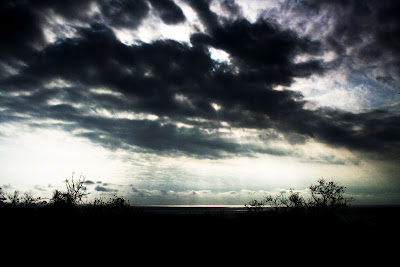
The weather was extremely foggy but not too cold. That should have been some kind of warning to us...
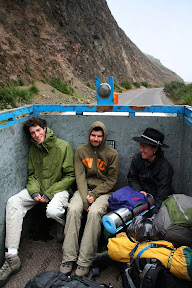


Raz and Matthieu managed to get there late on Saturday and even though we had to find something to replace Raz's non-existant sleeping bag on Sunday morning (!), we managed to get underway by truck around 9am.
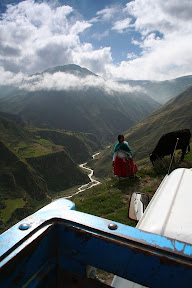


Winding our way up the mountains: the start of the actual walking was at Achupallas, which lies at 3300m.
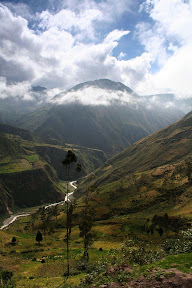


Great views from the truck, though we did get jolted around quite a bit.
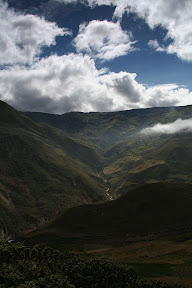


Even the weather seemed to have cleared up somewhat for us
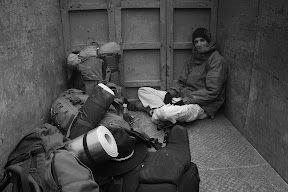


Matthieu, our backpacks, the tents, mattresses, cooking gear, burner and so on.
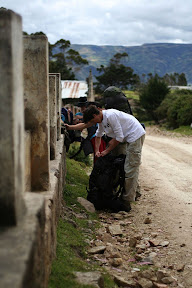


After the chilly ride in the back, the sun was out at we hat to spent 10 minutes re-packing jackets.
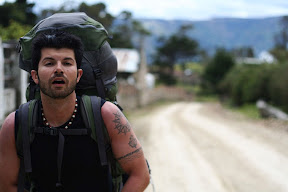


Raz looking a little beat, but I think I just caught him at an unfortunate time
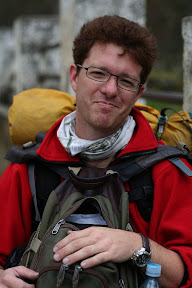


Backpack on the back with one of the tents on top of it, daypack at the front. You could say I was weighed down.
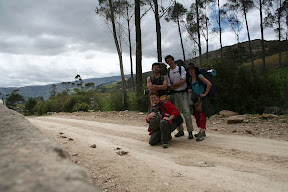


Before-shot with the way back to Achupallas to the left.
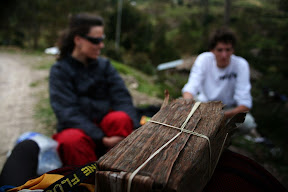


We stopped just 30 minutes out of Achupallas to hire a donkey (burro) and driver, because Ioana was feeling a bit weak. What looks like a block of coke was in fact panela - pure glucose wrapped in leaves. The only thing that kept us going, as it turned out.
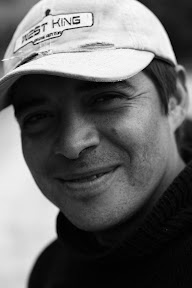


Nice man who started talking to us when we had a rest and got us the burro, driver and panela, good tips on the path and just plain friendly and helpful.
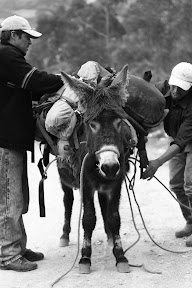


I was quite happy to give up my backpack as a counterweight for Ioana's on the burro's back. Our Donkey-man Ricardo on the right.

And that was the time we really started the trek. Everyone was rested, everything was prepared (so we thought) and the guys at least were chafing at the bit after all the waiting.

Mittwoch, 16. Juli 2008

I'm back from my first trek


...and since it's taken the better part of today for me to get cleaned up, kitted up and images to be loaded up to picasa, I'll do the post(s) using these pics in the next couple of days.

To summarise:

* exhausting - we went from 3300m to 4400m and back down
* wet - the clouds stayed on top of us
* muddy and marshy - the ground was soaked from days of rain
* I confess to taking a 15 minute shower last night... with my pots and pans (don't ask)

Hope you're all well!

Freitag, 11. Juli 2008

Photos 2.5: Coastal Wildlife

Right, I've finally gotten to Riobamba after a bit of an Odyssey via Guayaquil. Am feeling woozy and dizzy, I hope from the height.

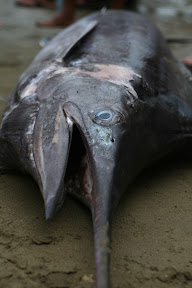
Time to upload the pictures from Wednesday's Whale-watching (otra vez) and the trip to Isla de la Plata. Before getting on the boat, we basically walked along the beach and made a nuisance of ourselves by standing in the way of all the fishermen taking pictures of their catch.


+

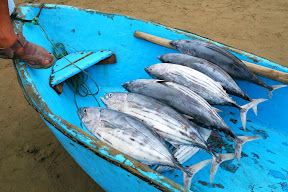
Mr Fish looking somewhat suprised to find himself surrounded by human feet on the beach


Not so much surprised as aghast at being tied together and lifted into the air


They're watching you!


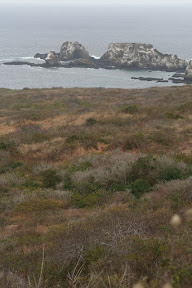
I couldn't take a single decent picture of the Isla de la Plata on that day, so this will have to do.


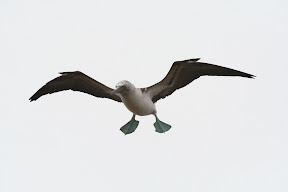
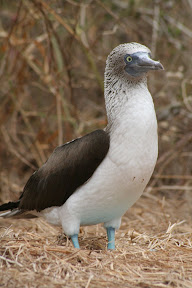
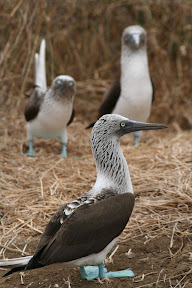
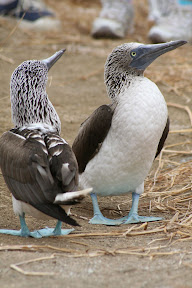
Blue-footed boobies were everywhere. This is apparently their nesting-time...


... which they love to spend right in the middle of the footpath on the island...


...whilst glaring and occasionally squawking at passers-by.


They're quite unafraid, letting you get as close as 1m on the footpath.


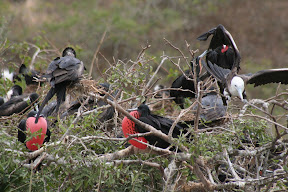
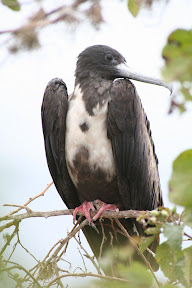
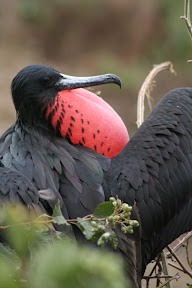
A little down the path, a huge colony of "Fregatas" was resting on the trees overlooking the drop down to the ocean and surfing the updrafts.


Those are the birds that remind me so much of prehistorical flying dinosaurs when silhouetted against the sky.


I can't remember the name of those, but they puff out their huge red bags with a lot of gusto.


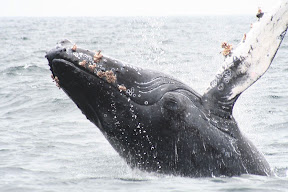
And I'm saving the piece de resistance:


This whale was kind enough to swim circles around us and jump for our viewing pleasure. I've a few more of him jumping, but there's always an aerial in the way, or it's very out of focus, so that'll take considerably more time to get them to decent quality.

I'm off on Sunday for 3 days trekking to Ingapirca, so don't wait up for more posts until probably Thursday or Friday of next week.

Mittwoch, 9. Juli 2008

Photos 2.4: Playa Los Frailes


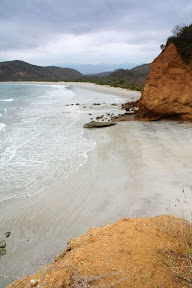
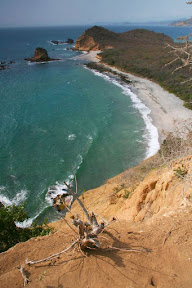
The Parque Nacional Machalilla is just a few km north of Puerto Lopez...


...and probably best known for the crescent of the Los Frailes beach ...


...but the smaller Tortuguita beach just over the next crest is just as pretty.


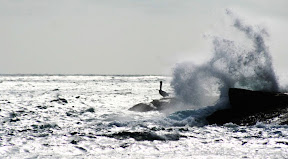
Pelicans rest on a flat rock shelf pounded by the waves


The scenic route back to the main road runs through the thickets of tropical dry forest that used to stretch along much of the Pacific coast.


Photos 2.3: Puerto Lopez

for those on whom words are lost - piccie time :-)


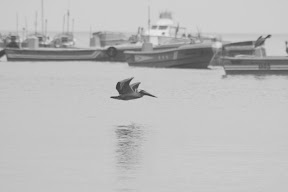
Señor (o señora) Alcatraz skimming the waves in the wide bay that is the port of Puerto Lopez


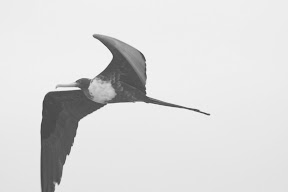
The local pterodactyl sub-species


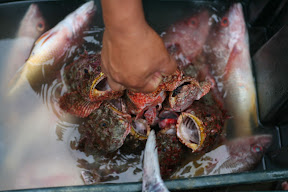
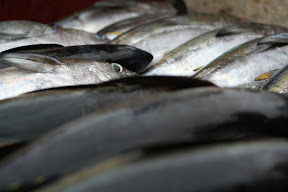
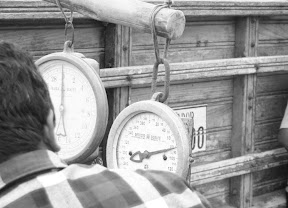
80 pounds worth of fish, that´s what these guys were weighing around 8am.


Small fry - literally, since people came to get what I can only assume must be their breakfast.


Fishermen tucking into their breakfast of fried fish at 8am.


I used this as the header to my last post, since that's what I felt like when I got back out of the bus after 4 hours of not getting anywhere... and I didn't have a pic of a beached whale handy.


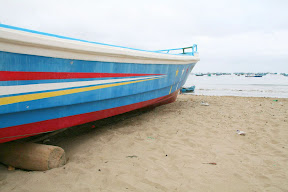
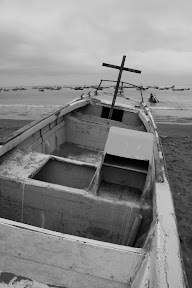
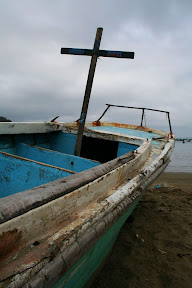
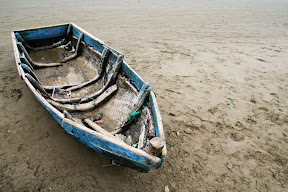
Most of the newer & bigger boats are made from fiberglass (I think), but some of the nice small and older ones are wooden.


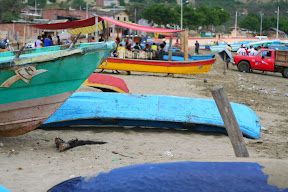
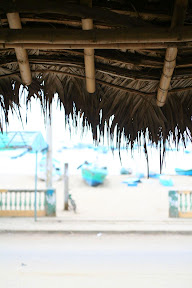
View from the Cafe La Ballena on to the beach.


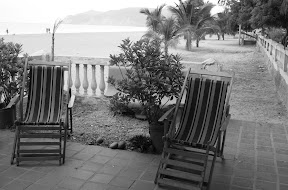
Lounge on comfortable chairs at the beachside cocktail bars


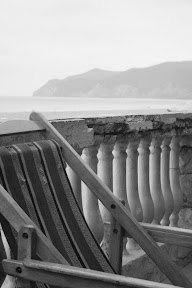
There's a slight air of decay to the place, that makes it really charming!


My footprints in the sand... just before being swallowed up by the sea.


Dienstag, 8. Juli 2008

The best laid plans...


Well, admittedly it wasn't much of a plan, but I did want to get out of Puerto Lopez and get back into the mountains.

Unfortunately, the peasants (say it with spite, the way "bloody peasants" sounds in Monty Python and The Holy Grail) have started putting blockades up on major roads throughout the country. So Jipijapa was the end of the road after a 7am start. It could have been worse, though, since I'm now back on the beach until Thursday rather than being stuck somewhat farther inland.

I think (because I'm piecing together info from two newspapers, neither of which mentions the strike or peasant unrest) the campesinos are protesting against price increases for much of their input factors on the one side, and price controls imposed by the Ecuadorian government, most notably on corn, flour and bread, which probably means they find themselves between a rock and a hard place.

Here a quote from the Guayaquil newspaper "El Universo" (article about the resignation of the head of the National Development Bank):

"Las ultimas resoluciones del gobierno de poner un precio techo para la saca de la graminea a USD28, de USD12,50 para el maiz y la advertencia de fijar un precio oficial para el pan (...) causaron divergencias.
(...) [said the former head of the bank:]
'Mi propuesta era comprar arroz mas caro (a mas de USD28 a traves de la BNF [National Development Bank]) y venderselo al consumidor mas barato, porque el es el que necesita del subsidio' indicó. A su criterio, no deberian limitarse al agricultor, cuando tiene oportunidad de recibir un valor alto por cuestiones del mercado."


The bloke who resigned is probably right, because by artificially lowering the peasants' selling price for their produce, incentives for future investment in agriculture which could increase the production of grain are being cut out of the market. I'm not sure if there is much leeway for an increase in the amount of land under cultivation, but I think it's safe to assume an increase in per-acre productivity could be achieved relatively easily if the inventives were right.

A direct subsidy to consumers would probably be healthier for the agriculture sector, even if it is associated with more visible direct cost to state coffers.

If things keep going at this rate, we'll be seeing "official bakeries" with empty shelves and a black market in all sorts of price-controlled goods spring up. Sounds like a scenario from the late Eastern Block economies. Things already seem to be headed in that direction, albeit in a very reduced corner of the market:

[Said the head of a nationwide chain of bakeries:]
" 'Desgraciadamente, la harina subsidiada no es para todos' señala Muñoz, en referencia al tiempo que tarda obtener un pedido."


Just my 2cents worth :-)